
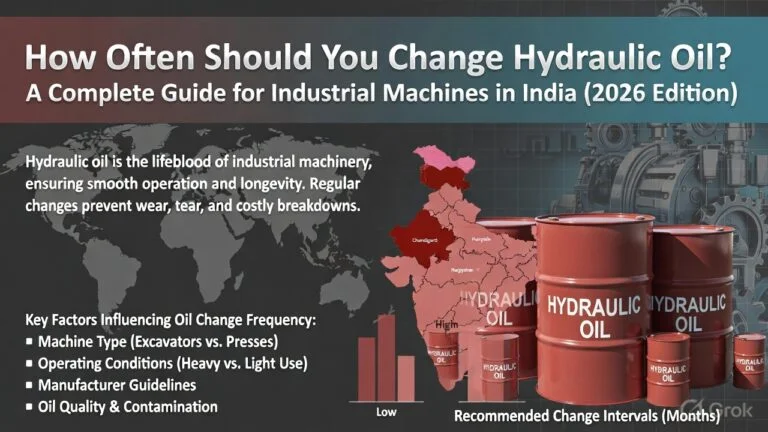
Hydraulic oil is essentially the lifeblood of your industrial machinery, and yet knowing when to change it can significantly save you from spending thousands on repair costs and downtime. This all, in, one guide helps plant managers, maintenance engineers, and equipment operators in India understand how often to change hydraulic oil by considering real, world situations and proven industry practices.
Extreme temperatures, dust, and humidity in India pose challenges that only a few generic maintenance schedules can handle locally. Mistiming the preventive maintenance results in a great loss of time, high costs of repairs, and early equipment breakdown.
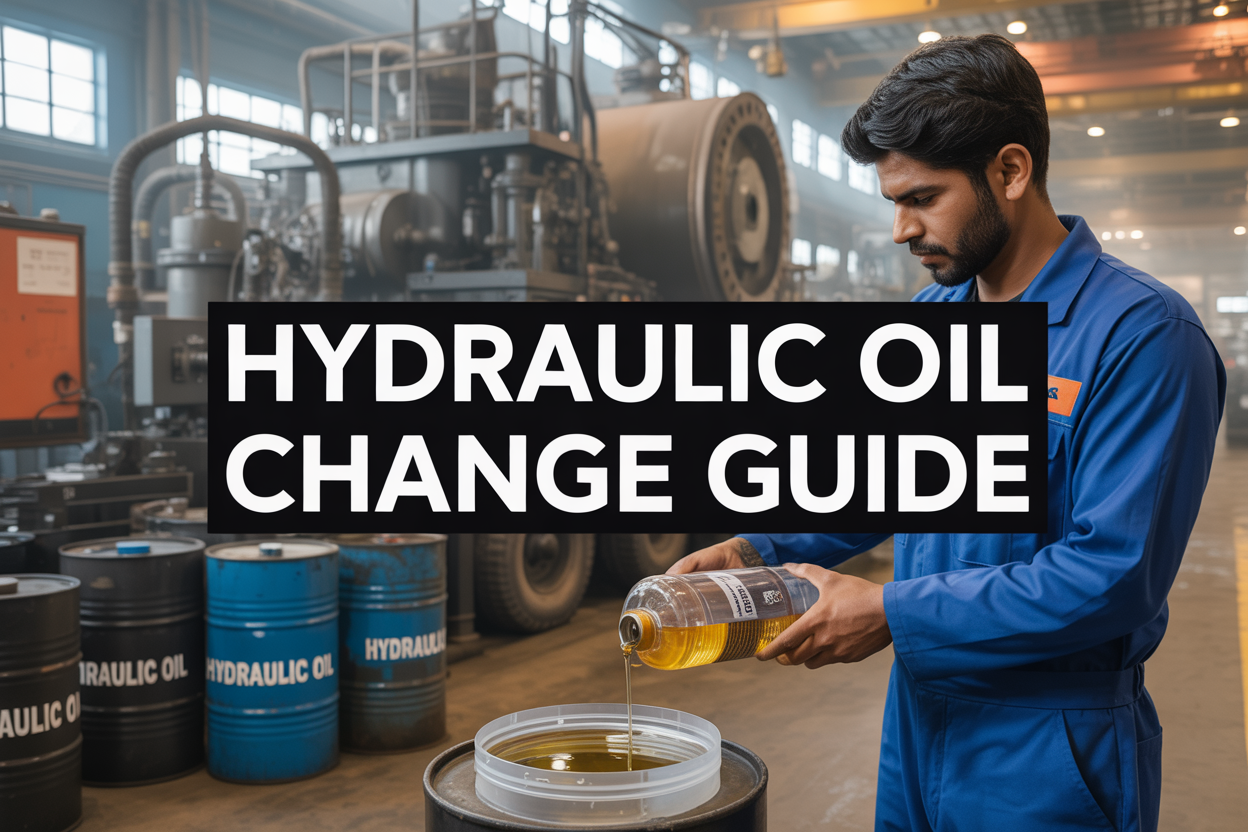
We will discuss normal intervals for replacing the oil in various industrial applications and also the influence of Indian climatic conditions on oil degradation rates. Moreover, we will show you budget, friendly testing approaches which will enable you to take good maintenance decisions without depleting your financial resources.
Understanding Hydraulic Oil Degradation in Industrial Environments

Key factors causing oil breakdown in Indian manufacturing conditions
Indian industrial settings case a different kind of environmental stress on hydraulic oil wear and tear.
Most of the manufacturing zones have ambient temperatures ranging from 35, 45C that accelerate chemical breakdown through oxidation. During the monsoon season, there is the problem of moisture, while dust, laden conditions during the dry months lead to the presence of abrasive particles that contaminate the oil system.
Fluctuations in power supply which are a common feature of the Indian industrial areas lead to pressure spikes which put stress on the hydraulic components, thus, metal particles are generated and heat is also produced. Heavy machinery manufacturing processes using continuous load cycles operation push hydraulic systems beyond their optimum operating parameters. In addition to that, most of the facilities do not practice proper storage, thus fresh oil is exposed to contamination even before installation.
Water infiltration becomes a major problem particularly during monsoon months when the humidity levels are above 80%. Small quantities of water can result in the oil rotting and the formation of acids that attack system parts. Heat, moisture, and contaminants, when combined, produce the perfect condition for the oil to be broken down quickly.
Impact of temperature extremes on oil viscosity and performance
Hydraulic oils are greatly influenced by temperature changes in terms of their performance characterization. In the hottest days of summer, due to a steep fall in oil viscosity, the oil is less capable of maintaining an adequate film between parts in relative motion. The use of thin oil results in an increased internal leakage, a decline in the system’s efficiency, and higher operating temperatures that, in turn, create a downward spiral of deterioration.
| Temperature Range | Viscosity Impact | Performance Effect |
|---|---|---|
| 20-30°C | Optimal viscosity | Peak performance |
| 30-40°C | 15% reduction | Slight efficiency loss |
| 40-50°C | 30% reduction | Noticeable leakage |
| Above 50°C | 50%+ reduction | System failure risk |
Cold starts during winter months in northern India present the opposite challenge. Thick oil creates high pressure drops across filters and valves, causing cavitation and component damage. Many facilities lack proper oil heating systems, forcing cold oil through sensitive hydraulic components.
Thermal cycling between day and night temperatures causes expansion and contraction that allows moisture entry through seals and breather caps. This constant temperature variation accelerates additive depletion and base oil breakdown.
Contamination sources in typical industrial settings
There are several ways contamination gets into hydraulic systems, which are typical of Indian industrial environments. Due to the dry climate and closeness to open, unpaved areas, airborne dust particles are abundant and get inside via insufficient filtration. Most of the facilities without proper filters use basic breather caps that offer almost no barrier against the entry of fine particles.
Main external contamination sources are:
- Debris from the construction of a new facility being built
- Metal particles from the machining process
- Textile fibers in the garment manufacturing area
- Chemical vapors in the processing industry
- Road dust due to heavy vehicle trafficInternal contamination is principally composed of metal particles formed by flicks of worn components, release of rubber compounds by degraded seals, and flakes of paint from a corroded surface of equipment. Improper maintenance results contamination introduction during oil changes if technicians use dirty tools or contaminated transfer equipment.
Water contamination is still the most damaging factor. Leaking roofs during monsoons, neglect of storage tank maintenance, and moisture condensation due to temperature cycling cause the introduction of water, which leads to bacterial growth and acid formation.
Warning signs of deteriorating hydraulic oil quality
Identifying oil degradation at an initial stage can save a lot of money by preventing failure of the entire system. A look at the oil might give some clues regarding the state of the oil and the urgency level of the situation. Hydraulic oil in its original state is usually light amber in color and transparent. On the other hand, oil that has been in use for longer can be quite dark and almost black, filled with unidentifiable particles or foamed.
The physical signs come down to:
- appearance like milk suggesting the presence of water
- an overpowering burnt smell pointing at overheated oil
- a tacky or sticky feeling due to oxidation
- fine metal particles that can be seen with naked eyes
- the production of foam during the working of the system
A change in the system’s functioning is typically a sign that the oil is already deteriorating, even before one can observe this through the naked eye. Some symptoms include inefficient motion of the actuators, the noise getting to a higher pitch, and the operation becoming less predictable. If temperature gets high enough consistently, this is a clear sign of the presence of the breakdown products that are hindering heat exchange efficiency.
Filter condition provides precious information about the oil condition. If the filter gets clogged quickly, this mainly indicates a high level of contamination. However, if the filter element becomes discolored or physically damaged, this is a chemical attack by the degraded oil. Pressure differential readings across filters help quantify contamination rates and predict oil change requirements.
Sending oil samples for analysis and performing quick in-house tests on a regular basis allows detecting the level of contamination before it becomes a cause of irreversible damage. This, in turn, leads to better maintenance planning, less equipment shutdown, and increased utility of the machinery.
Standard Oil Change Intervals for Different Industrial Applications

Heavy machinery and construction equipment schedules
Construction machinery is exposed to extremely tough conditions almost daily. For example, excavators, bulldozers, and cranes in dusty quarries or mud, filled construction sites require hydraulic oil changes every 1, 000 to 2, 000 hours of operation. The continuous contact with dirt, debris, and temperature extremes causes oil to deteriorate much faster.
If you have equipment that is used in very tough conditions like mining or heavy earthmoving, you might want to change the oils more frequently, say every 750, 1, 000 hours. An excavator with tracks that is used in very abrasive conditions might even need changes more often if, for instance, you observe the oil getting darker or the system producing more noise.
| Equipment Type | Standard Interval | Harsh Conditions |
|---|---|---|
| Excavators (general) | 1,500-2,000 hours | 1,000-1,500 hours |
| Bulldozers | 1,500-2,000 hours | 1,000-1,200 hours |
| Mobile cranes | 1,200-1,800 hours | 800-1,200 hours |
| Wheel loaders | 1,500-2,000 hours | 1,000-1,500 hours |
Manufacturing and production line hydraulic systems
Production line hydraulic systems usually have more controlled environments which allows for longer service intervals. When manufacturing hydraulic systems are properly maintained and filtered, they can safely operate for 3, 000 to 5, 000 hours between oil changes.
Hydraulics of press machines, injection molding equipment, and automated assembly lines are among the few that can benefit from constant operating temperatures and clean environments. These systems generally have advanced filtration that helps keep the oil clean for a longer time. On the other hand, high, precision applications like CNC machinery might have to change the oil more frequently, i.e. every 2, 500, 3, 000 hours, to be able to maintain tight tolerances.
Temperature control matters a lot in this context. A system that is well, equipped with a cooling mechanism can easily attain the higher end of these intervals, whereas one that is overheated may require changes at every 2, 000, 2, 500 hours. Keep an eye on the oil temperature, if you keep getting readings above 70C, it means that there are problems which can lead to shorter oil life.
Mobile hydraulic equipment maintenance timelines
Mobile hydraulic equipment is considered very challenging due to the fact that their operating conditions are constantly changing and there are no maintenance facilities near. Usually, machines like forklifts, aerial work platforms, and mobile maintenance units need their oil changed after every 1, 500 to 2, 500 hours.
Constantly moving and changing working environments expose the equipment to a higher level of contamination and temperature changes. In the case of farmland machinery like tractors and harvesters, which are heavily used during the peak season, the oil may need to be changed every 1, 000 hours due to the high concentration of dust and field debris.
Consider these factors when scheduling mobile equipment maintenance:
-
Daily operating hours – equipment running 8+ hours daily needs more frequent attention
-
Storage conditions – outdoor storage accelerates oil degradation
-
Seasonal variations – monsoon seasons require closer monitoring
-
Operator habits – aggressive operation shortens oil life
Critical system applications requiring frequent changes
Some hydraulic systems are simply not allowed to fail.
Examples of these include aircraft ground support equipment, emergency response vehicles and life, safety systems. These require oil changes every 500, 1, 000 hours regardless of oil condition.
Medical equipment hydraulics, elevator systems and emergency shutdown systems are also a few of these. The cost of oil changes cannot be compared with the possible effects of system downtime or the risks to safety. In fact, these kinds of applications usually call for the use of premium synthetic oils with excellent additive packages, which is a good reason for the increasing frequency of replacement schedules.
Food processing hydraulics are exposed to even more challenges as they have to be washed down with detergents and sanitizing chemicals.
It is quite common for a plant to change hydraulic oil at intervals of 1, 000, 1, 500 hours and use food, grade fluids, which might have shorter service lives compared to conventional hydraulic oils.
Hydraulics in power plants which are responsible for turbine systems generally go by the manufacturer’s recommendations of 2, 000, 4, 000 hours, but highly safe systems may need changes at intervals of 1, 000 hours to guarantee availability for the emergency operation.
Indian Climate and Environmental Factors Affecting Oil Life
Monsoon Season Impact on Hydraulic System Maintenance
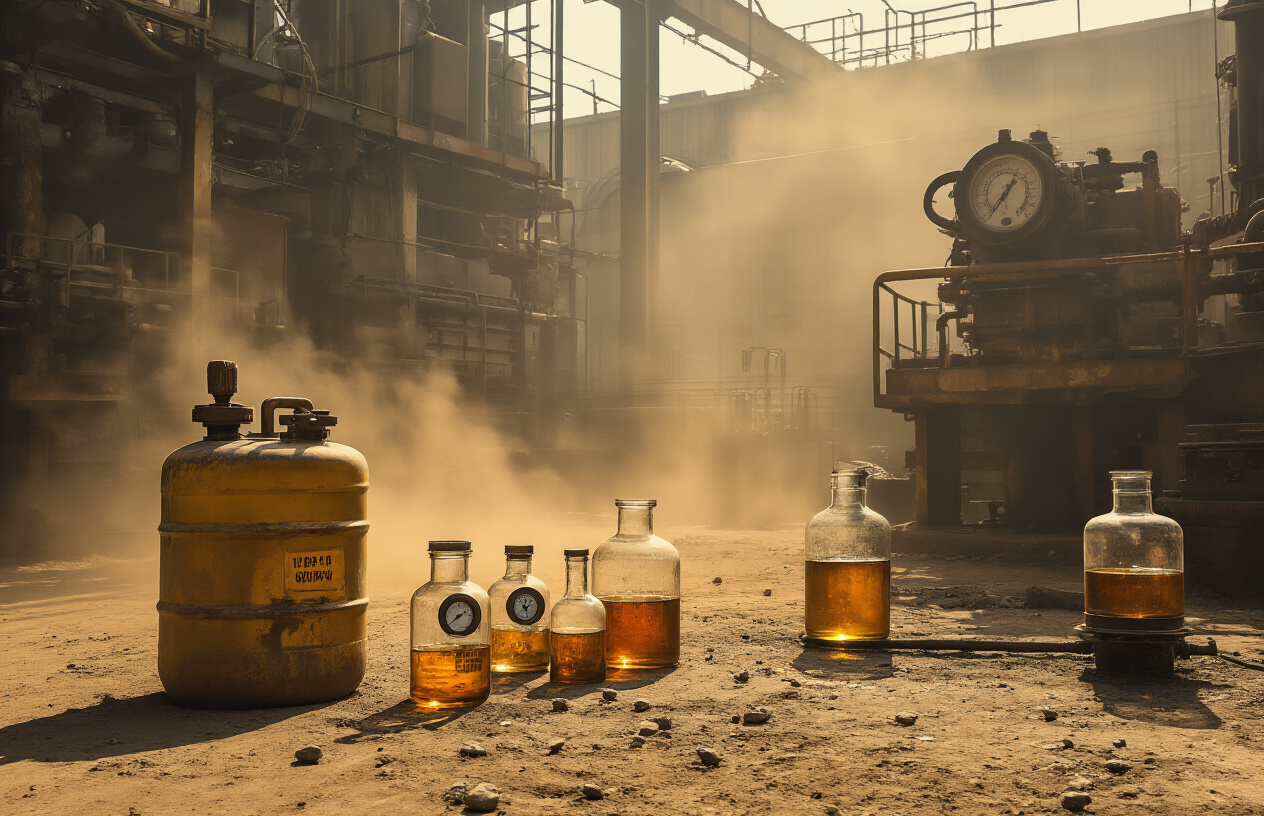
There are various ways water penetrates the system during the monsoon season. When breather caps and reservoir vents are exposed to rain that is being driven by the wind, they become vulnerable points from where water can enter. The fact that even a tiny amount of water can cause such extensive damage to the hydraulic part and accelerate oil degradation is quite amazing. Water contamination results in the creation of foam, decreased lubrication properties, and bacterial growth which produces acid byproducts.
Monsoon seasons humidities and temperature variations are very conducive for the formation of condensation in hydraulic reservoirs.If this condensation water then mixes with the oil, it will form an emulsion, which will affect the fluid’s ability to protect the metal surfaces.The biggest clue is when the operators physically see the hydraulic fluid with a milky, cloudy appearance and can tell that the water contamination is substantial from the visual alone. Immediate action is necessary in this case.
Some of the steps to be taken for prevention during monsoon season are putting in desiccant breathers, more frequent sealing to check for leaks, and the adoption of stricter filtration protocols. Several industrial plants in monsoon areas arrange for extra oil sampling from June to September to closely keep an eye on the levels of water content.
Dust and Particulate Contamination in Industrial Zones
Industrial zones in India suffer from airborne contaminants that have a major impact on the lifetime of hydraulic oils. Industrial clusters such as Gujarat, Tamil Nadu, and Maharashtra have high levels of industrial dust, metal particles, and chemical residues that get into hydraulic systems through various openings.
Particulate contamination is one of the main factors in hydraulic oil degradation as it causes physical wear on metal surfaces of the system components. To be more specific, abrasive particles cause minute scratches on components. Debris generated through these scratches, along with metal wear from interacting parts, form the metal particles that will circulate within the system and add to the contamination. Additionally, cement dust and construction, related silica particles are especially harmful to hydraulic systems because they create more wear on internal metal surfaces.
In such situations, the ISO cleanliness code is vital. Equipment used in areas with high levels of contamination would need their oil changed 30, 50% more often than equipment used in cleaner areas. Monitoring particles on a regular basis coupled with tracking trends enables one to pinpoint where the contamination is coming from and thus formulate the most effective filtration methods.
| Contamination Source | Typical Particle Size | Impact on Oil Life |
|---|---|---|
| Road dust | 5-20 microns | 25-40% reduction |
| Industrial emissions | 1-10 microns | 35-50% reduction |
| Metal machining debris | 10-50 microns | 40-60% reduction |
| Construction activities | 2-100 microns | 30-45% reduction |
Temperature Variations Across Different Indian Regions
Temperature differences across different regions in India give rise to very different kinds of issues in hydraulic oil management. The northern plains endure very extreme seasonal fluctuations, with temperature in winter dropping to 5C while the highest in summer touching 48C. Such a big change of over 40 degrees severely impacts the viscosity and rate of degradation of the oil.
In the states of Rajasthan and some parts of Maharashtra where the temperature is very high, the thermal breakdown of hydraulic oil gets accelerated. The oil degradation rate is approximately doubled with every 10C rise in operating temperature. If the systems are running non, stop at temperatures above 80C, then the oil may need to be changed after every 500, 750 hours instead of the standard 2000, hour interval.
The conditions of cold weather in hill stations and northern regions cause entirely different kinds of problems. The thickening of oils during the winter months can cause cavitation in pumps and decrease system efficiency. A majority of the operators either change to multi, grade oils or they put in place oil heating systems so that the oil can be at the right viscosity when starting up in cold weather.
Coastal areas such as Mumbai and Chennai have to face not only moderate and quite consistent temperatures but also salt, laden air. The combination of the two poses a situation for corrosion to take place thereby affecting the oil as well as the system components. In such situations, it is very important to do regular oil analysis so that acid numbers and corrosion inhibitor depletion can be monitored.
Humidity Effects on Oil Degradation Rates
India’s wide range of humidity zones has a major impact on the performance and life of hydraulic oils.
In the coastal region, the relative humidity is normally between 80 and 90%, while the desert areas can go even below 20%. This change leads to the breakdown of the products in various ways, and so the maintenance should be different.
Hydrolysis reactions inside the hydraulic oil get speeded up in humid surroundings. The oil additives and base stocks are attacked by the water molecules when acids are formed. The situation is very bad when we have heat as well, like in tropical coastal areas.
Bacterial and fungal contamination is facilitated in humid environments where there is water contamination. The microorganisms feed on the additives and produce acids which cause the oil life to be shortened drastically. The equipment in Kerala, West Bengal, and coastal Karnataka probably most frequently gets microbially contaminated during prolonged humid seasons.
Low humidity areas have a different problem in that there is more static electricity created which might harm the sensitive hydraulic parts. In addition, the dry environment makes the seals shrink, and the air gets mixed up more that leads to the quickening of the oxidation.
Effective humidity management involves keeping the storage areas under a controlled climate, employing desiccant breathers with a rating that matches the local conditions, and installing moisture detection devices. Periodic oil sampling should be comprehensive and include water content determination, with the threshold levels being based on the localized patterns of humidity.
Cost-Effective Oil Testing Methods for Indian Industries

Simple Visual Inspection Techniques for Immediate Assessment
Visual inspection remains the most practical first-line defense for Indian manufacturing facilities. Start by examining hydraulic oil color changes – fresh oil typically appears golden amber, while degraded oil turns dark brown or black. Hold a clean glass container with oil against white paper to better judge color variation.
Check for visible contamination like metal particles, water droplets, or foam formation. Water contamination appears as milky discoloration or separate water layers at the container bottom. Metal particles indicate internal component wear and require immediate attention.
The “drop test” works exceptionally well in Indian workshops. Place a few drops of used oil on clean white paper or blotting paper. Fresh oil spreads evenly with clear edges, while contaminated oil leaves dark centers with lighter outer rings. Water-contaminated oil creates irregular spreading patterns.
Viscosity changes become apparent through simple handling. Pour oil between containers – degraded oil either flows too quickly (viscosity breakdown) or too slowly (oxidation thickening). Temperature variations in Indian climates affect this assessment, so conduct tests at consistent ambient temperatures.
Laboratory Testing Options Available in Major Indian Cities
Major Indian industrial hubs offer the full range of hydraulic oil analysis services. The cities Mumbai, Delhi, Chennai, Bangalore, and Pune have many laboratories that provide testing for cleanliness according to ISO 4406, acid number analysis, and viscosity measurement.
Leading Laboratory Networks:
| City | Service Providers | Typical Turnaround | Cost Range (INR) |
|---|---|---|---|
| Mumbai | Bureau Veritas, SGS, Intertek | 3-5 days | 2,500-4,500 |
| Delhi NCR | NABL certified labs, Oil India | 2-4 days | 2,200-4,200 |
| Bangalore | Oil testing specialists | 3-6 days | 2,800-5,000 |
| Chennai | Petroleum labs | 3-5 days | 2,400-4,300 |
| Pune | Industrial testing centers | 2-4 days | 2,300-4,000 |
Nowadays a lot of labs provide mobile sampling services which are specifically very useful when it comes to massive equipment that cannot be easily drained. Usual test packages consist of particle counting, water content analysis, acid/base numbers, and additive depletion monitoring.
Regional laboratories in major cities like Ahmedabad, Hyderabad, and Kolkata offer the same kind of services at competitive prices. A few of the facilities have express testing for urgent applications to give results within 24, 48 hours but with premium pricing.
On, Site Testing Equipment for Real, Time Oil Condition Monitoring
Portable oil analyzers have really changed the game for Indian industries that need their results fast. Present, day handheld instruments are capable of identifying particle contamination, moisture levels, and simple chemical alterations in just a few minutes.
Popular On-Site Testing Equipment:
-
Particle Counters: Measure contamination levels according to ISO 4406 standards
-
Moisture Analyzers: Detect water content from 10 ppm to saturation levels
-
Viscosity Meters: Provide real-time viscosity readings across temperature ranges
-
Acid Number Test Kits: Simple colorimetric tests for oxidation assessment
Indian manufacturers such as Fluidtech Systems and international brands like Parker and Pall present equipment choices that fit the local conditions. Initial investment varies from 50, 000 for simple test kits to 15 lakhs for full, feature analyzers.
Portable infrared spectrometers are considered highly advanced technology and can analyze several parameters at the same time. If well maintained and calibrated, these instruments are especially suitable for dusty Indian environments.
It goes without saying that regular calibration is very important, Major brands’ Indian service centers offer an annual calibration service. Training courses are conducted for technicians so that they can accurately interpret the results and keep the equipment in good condition.
Interpreting Test Results to Determine Optimal Change Intervals
Understanding test results means locating data in relation to specific operating conditions and manufacturer specifications. Particle count data is represented according to ISO 4406 standard, generally, hydraulic systems function optimally at 18/16/13 or cleaner levels.
Critical Parameter Thresholds:
-
Water Content: Above 0.1% (1000 ppm) demands immediate attention
-
Acid Number: Increases beyond 2.0 mg KOH/g indicate oxidation
-
Viscosity Change: ±10% from original specifications suggests degradation
-
Particle Count: Two-step increase in ISO code signals contamination issues
Trend analysis offers more insights than single, point measurements. You can track the vital parameters along the timeline to spot the degradation patterns. Sudden changes signify system issues that hardly can be solved by the next oil change alone.
The operating conditions in India are very likely to fast track some degradation modes. The high outdoor temperature during the day is likely to raise the rate of oxidation, whereas the humidity caused by the monsoon can bring water contamination. Glying areas where most of the Indian factories are located, are really dusty and hence, the particle contamination goes up at a faster rate than the global average.
Take initial measurements of your fresh oil and systems. Keep a record of the seasonal changes so that you know the regular variations of the range. Such a method eliminates unnecessary oil changes and also detects genuine problems at an early stage. As a general rule, most Indian plants come to the conclusion that checking the condition of their equipment every 500, 1000 hours of operation is the most cost, effective way of balancing system reliability.
Maximizing Hydraulic Oil Life Through Preventive Maintenance

Filtration System Upgrades for Extended Oil Service Life
Updating your filtration system can extend the life of your hydraulic oil by two or even three times. The first step is to put return line filters with beta ratios of at least 75 for particles 10 microns and larger in the renovation of your oil system.
Those filters trap the contaminants before they’re sent back into your system, thus preventing a situation where wear particles create other wear particles. If your machine is idle, just think about the offline filtration units that clean your oil 24/7.
These kidney loop systems operate non, stop, extracting water, particles, and even some chemical impurities. When it comes to expensive industrial machinery, magnetic filters are great at capturing ferrous particles that regular filters might overlook.
Breather caps are very important in the dusty Indian industrial environments. Upgrade your ordinary breathers to desiccant breathers that not only filter the incoming air but also extract moisture.
This minor improvement is enough to stop almost 80% of contamination problems.
| Filter Type | Recommended Beta Ratio | Maintenance Interval |
|---|---|---|
| Return Line | β75 ≥ 10μm | Every 500 hours |
| Suction Strainer | 149μm mesh | Every 1000 hours |
| Offline Filter | β200 ≥ 6μm | Every 2000 hours |
Proper Storage and Handling Techniques in Indian Conditions
Hydraulic oil storage in India’s tough climate demands certain tactics. The drums and containers should be placed in covered areas and be protected from direct sunlight, as UV rays deteriorate oil additives quicker than one anticipates.Indoor oil storage at temperatures lower than 40C helps in avoiding thermal degradation that is typical during the summer season.
Only keep oil containers lying down with the bungs at 3 and 9 o’clock positions. This stops water from gathering and causing damage to oil seals. For a long time storage, cover the surface of an oil tank with nitrogen to keep the air and hence oxygen away from the oil.
Don’t use the same equipment when changing the oil if you also use gear oil or engine oil pumps and hoses. A drop of gear oil or engine oil in a hydraulic oil can reduce its performance to almost zero within a period of days. Before every use, clean all transfer equipment with lint, free cloths and filtered solvent.
Mark the date and type of oil on all storage containers. Keeping up with the first, in, first, out principle of inventory is essential in hot climates where oil deteriorates faster. Keep a record of how long the oil has been stored and refrain from using oil that has been stored for over two years in any case of highly maintained storage conditions.
Temperature Control Strategies for Optimal Oil Performance
Heat is the most lethal factor to hydraulic oil in Indian industrial settings, even more than any other factor. A chief concern should be to keep the oil temperature below 70C, as the rate of oil degradation doubles with every 10C increase in temperature.
Install heat exchangers that are able to handle the maximum heat load. Air, cooled heat exchangers are suitable for dry areas but during the rainy season, the humidity lowers the cooling efficiency, and air, cooled units will perform badly. Water, cooled systems, on the other hand, offer a more stable performance, although they are dependent on having an adequate water supply and need to be cleaned regularly to prevent scaling.
Ensure that heat exchangers are placed in a way that they get the maximum airflow and are least affected by heat radiated from nearby equipment. High, heat applications like injection molding or heavy pressing operations should have their dedicated cooling circuits. Since these systems generate concentrated heat loads, standard cooling systems become insufficient.
Use digital displays for the continuous monitoring of the oil temperatures and make sure that operators can see the figures. Prepare yourself to take action before it is too late by setting the alarms at 65C. In the hottest part of the year, you may have to think about lowering the operating pressures or shortening the cycle times so that you can control the amount of heat produced.
Hydraulic tanks should be covered with insulated panels so that the heat coming from the surrounding air is reduced. Tanks with light, colored exteriors reflect the heat much better than those with dark surfaces, thus the oil temperature may decrease by 5, 10C during the hottest hours of the day.
Regular System Cleaning Procedures to Prevent Contamination
Develop sanitation standards that correspond to the degree of contamination in your working environment. Through just daily stains inspection of reservoir lids, filter housings, and outdoor connections turned up after cleaning the photos in Indian industrial sites, manufacturers can prevent most of the contamination problems.
Wipe the reservoir lids clean with damp cloths before opening for checking the oil level or sampling. When the covers are removed, dirt that is around the openings falls straight into your oil. Use only clean, lint, free materials and refrain from using old contaminated rags that may shed fibers.
Flush systems quarterly with the same grade of hydraulic oil that you use regularly.
Dedicated flushing oils are more expensive but they don’t offer better cleaning for most cases.
Perform flushing cycles at normal operating temperature and pressure to detach packed contaminants.
During flushing, replace all filters even if they look clean to the eye. Filters may release contaminates that have been trapped during the cleaning process. Begin with coarser filters and then move to finer grades to reduce the risk of overloading your filtration system.
Write down cleaning protocols and contamination levels observed at each maintenance.
This information will allow you to fine, tune cleaning schedules based on the real contamination levels rather than following generic recommendations which may not be suitable for your specific operating conditions.
Selecting the Right Hydraulic Oil for Indian Operating Conditions
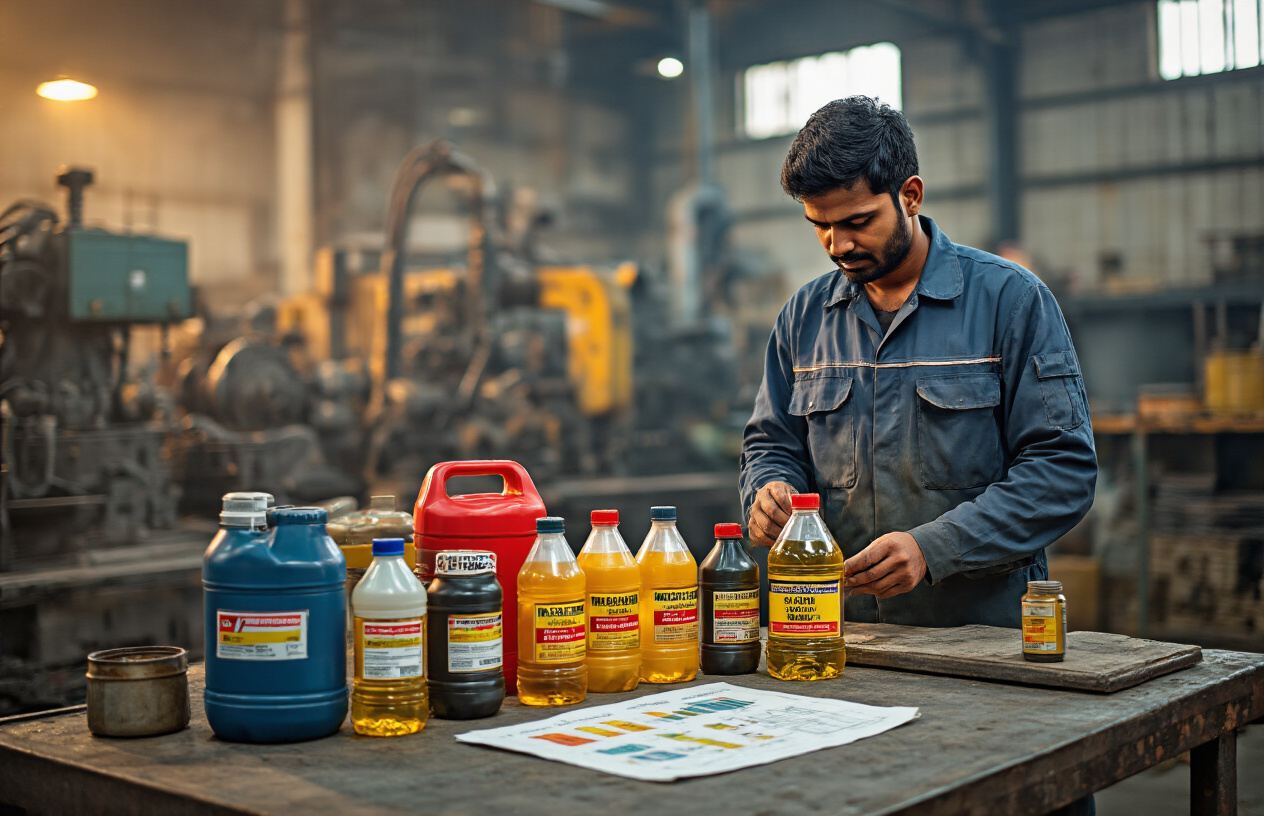
Viscosity grades suitable for varying temperature ranges
India’s diverse climate zones necessitate extremely careful hydraulic system viscosity selection. In fact, in the northern areas of the country where temperatures can go as low as sub, zero, the use of ISO VG 32 hydraulic oils is just perfect to give the equipment a great low, temperature flow property.
Such light oils indeed help keep the system well lubricated during cold start, ups in places such as Delhi, Punjab, and Kashmir, thus avoiding pump cavitation and system damages.
As for those temperate areas of the country such as central India, Maharashtra, and Madhya Pradesh ISO VG 46 remains the mainstay grade that should be relied upon.
This viscosity grade can easily accommodate temperature variations between 10C and 45C, thus making it a perfect choice for continuous operation throughout the year at most industrial facilities.
States in the south and the coastal areas experiencing almost consistently high temperatures will make good use of ISO VG 68 or even ISO VG 100 oils.
These heavier grades are perfect to withstand thermal breakdown in the humid atmosphere of Kerala or the extreme heat of Tamil Nadu by still ensuring film strength at operating temperatures right above 60C.
Multi, grade hydraulic oils by their very nature offer tremendous versatility to operations that potentially go through a couple of different climate zones.
Such formulations essentially bring together the advantages of being pumpable at low temperatures and stable at high temperatures but still they normally run 15, 20% higher than the single, grade counterparts.
Additive packages for enhanced performance in harsh environments
India’s industrial setups pose distinct challenges that call for specially formulated additives. For example, antiwear additives are essential in dusty conditions like those found in cement plants, steel mills, and mining operations. Zinc dialkyl dithiophosphate (ZDDP) has been proven to greatly reduce wear under metal, to, metal contact even when contamination levels are high.
In fact, if the facility is located by the sea, rust and corrosion inhibitors become a must as salt air accelerates metal degradation. For instance, dilinoleic acid and other similar organic inhibitors help in forming the protective films which not only prevent the wear but also extend the equipment life for 30, 40% in comparison to the basic formulations.
Moreover, anti, foam additives are used to prevent cavitation problems in systems characterized by very high speeds or temperatures. Therefore, silicone, based anti, foam agents may be considered to be a good solution offering the best results especially in the hot climatic conditions where oil aeration becomes a severe problem.
The role of thermal stability improvers is to help oils resist the effect of shadowing by high temperatures for a longer time. For example, hindered phenol antioxidants and aminic compounds basically act as the oxidation reaction inhibitors which eventually result in the maintenance of a stable oil viscosity and a minimal sludge formation.
On the other hand, one of the purposes of seal conditioning agents is to help maintain the flexibility of elastomers when subjected to extreme temperatures. Basically, these additives prevent the seals from becoming hard and brittle which is a major cause of cracking; thus, they help reduce leakage and contamination problems even in severe operating conditions.
Synthetic versus mineral oil options for different budgets
One of the first steps budget, conscious operations make is the use of Group I mineral oils. They are 40, 50% cheaper than synthetic oils. These conventional oils are still good enough for applications at moderate working conditions and regular maintenance schedules. Small manufacturing units and agricultural equipment generally only require mineral oils.
Group II and Group III mineral oils are priced moderately which increases the performance level of the oils. These highly purified base stocks offer better oxidation resistance and longer service intervals than ordinary mineral oils, thus they are widely used in industries of medium size.
Polyalphaolefin (PAO) synthetic oils are used in Cl conditions, they give the best performance. Although PAO oils cost 2, 3 times more than mineral oils, they allow you to change the oil less frequently, reduce overall maintenance costs and give better temperature stability. Large manufacturing plants and critical applications justify the higher initial cost by reduced downtime and longer equipment life.
Phosphate ester synthetics can resist very high pressure and temperature conditions, but they need system compatibility of a particular kind. Their prices are much higher but they become a must for aerospace, power generation, and high, pressure applications where failure is not an option.
In the majority of industrial cases in India, Group II+ mineral oils offer the optimum combination of performance and cost. They give very close to the same output (80%) as synthetic oils but at a price that is 40% less, thus they are viable options for manufacturing in a competitive environment.
Local supplier recommendations and availability considerations
Bharat Petroleum, Indian Oil Corporation, and Hindustan Petroleum are the ones who mainly control the hydraulic oil market through their massive distribution networks. These suppliers still manage to maintain attractive pricing and dependable supply chains to tier, 2 and tier, 3 cities across India.
Major international players such as Shell, Mobil, and Castrol market their high, end products through authorized distributors. These oils may be more expensive; however, they generally come with technical support services and performance warranties, which are very important in difficult applications.
Local suppliers such as Savita Oil Technologies and Apar Industries provide high, quality products at affordable prices. These companies are quite familiar with local operating conditions and are thus able to provide highly efficient solutions for different industrial sectors.
By partnering with more than one supplier, companies in remote locations can avert the risk of their supply being interrupted. The monsoon season, when the roads may be impassable, is a good example of how local stock keeping can be essential to the uninterrupted running of the plant.
Purchasing in bulk can bring about a reduction in costs by 8, 12% but this mode of buying only makes sense if there is enough storage space. Facilities for the storage of oil in a climate, controlled environment would become a necessity in hot, humid areas if the oil were to be stored for a long time without losing its properties.
One of the criteria for choosing the right suppliers should be their ability to provide technical support. Supplier firms that, in addition to delivering products, also offer services like oil analysis, contamination problem, solving, and application engineering are thus providing their customers with extra value.

Keeping your hydraulic systems in good working order is largely a matter of regular oil changes and maintenance. The hot, dusty environment all over India can degrade hydraulic oil much faster than you imagine, so making oil testing a routine and changing your oil on time is extremely important for your machinery’s health. Various machines and their applications require different treatments what is suitable for a construction site in Mumbai won’t be identical to a factory in Chennai.
Maintenance with a brain will be rewarded glorious when you consider the harsh operating environment of India. You can not only increase the life of your oil but also prevent expensive breakdowns by simply testing your oil, choosing the oil that best suits your specific condition, and adhering to the good maintenance practices. Don’t wait for the problem to occur establish a regular test schedule, keep a record of your tests, and find trustworthy suppliers who comprehend the local conditions. Your hydraulic systems will be so good to you that they will give you many years of service with lower energy costs.