Industrial machinery is dependent upon good lubrication, and the choice of industrial grease is one of those things that can either greatly improve or completely destroy your equipment’s performance.
This detailed buyer’s guide aims to assist maintenance managers, procurement specialists and industrial engineers in finding out the leading industrial grease brands in India for the year 2026.
It’s even harder to locate trustworthy grease suppliers when the machinery is so big and any unexpected downtime will be very costly to you. Different types of industries require various industrial grease formulations, while the Indian market is capable of providing even budget, friendly as well as premium specialized types of products.
We will explain to you how to select the most suitable industrial grease by talking through such important features as viscosity, temperature tolerance, and strength capacity. You’ll get to know the leading premium industrial grease brands in India that always provide excellent results in different areas of application, as well as special types of grease intended for particular industries like automotive steel cement, and food processing that will help you decide which product best suits your specific requirements.
By following this manual, you will be able to pick the brands that perfectly combine quality, dependability and value for your industrial needs.
Understanding Industrial Grease Applications and Benefits
Heavy Machinery Lubrication Requirements
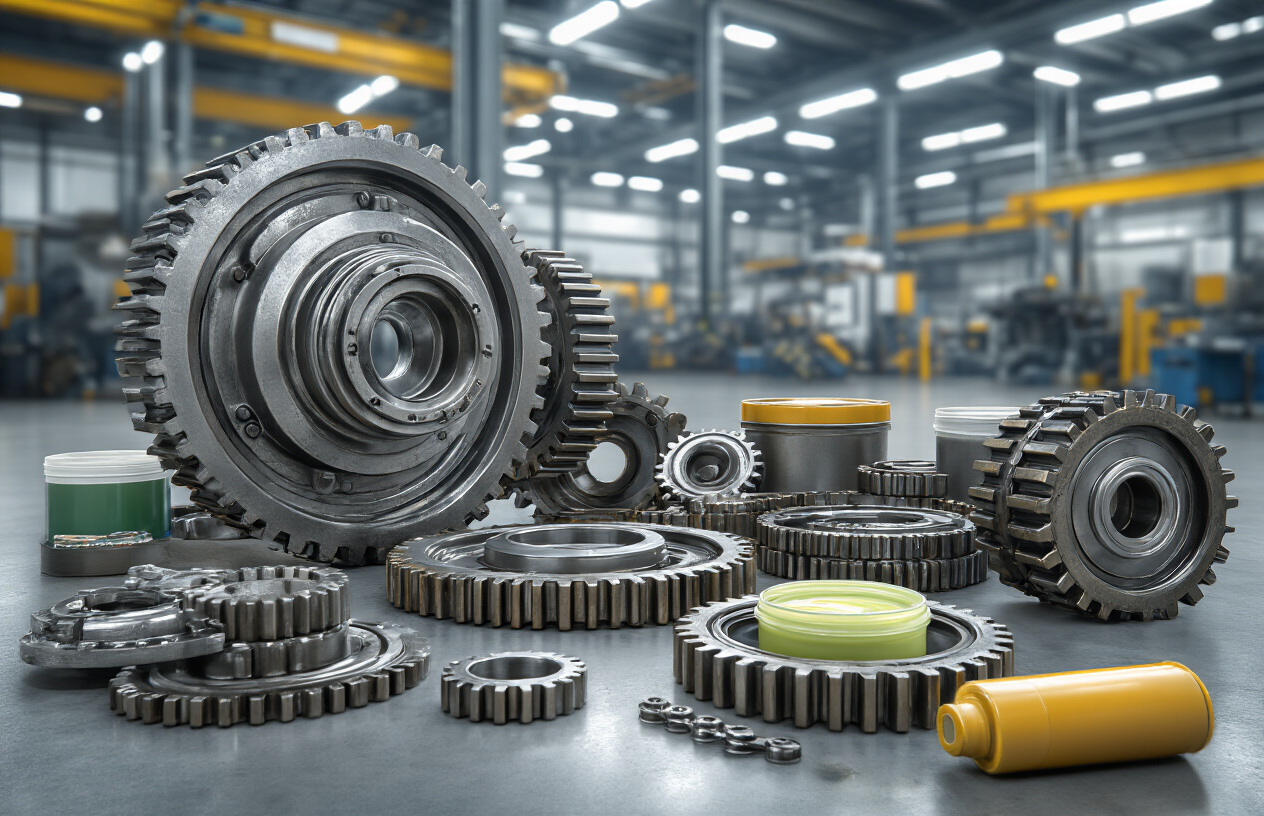
Industrial machinery functions in harsh environments that would cause normal lubricants to fail rather quickly. Heavy equipment such as excavators, mining trucks, and factory offices release a great deal of friction, heat, and mechanical stress which calls for the use of special grease formulations.
The viscosity needs of industrial operations are very different from the ones for cars. Parts of heavy machinery generally need a grease that holds its quality even when the pressure goes beyond 100, 000 PSI and the machine is running non, stop for a few months without changing the grease. For instance, the steel mill ball bearings operate at a temperature of 200C and at the same time they are exposed to metal particles and various chemical contaminants.
Today industrial grease have very sophisticated additive systems including agents for extreme pressure, anti, wear substances, and corrosion inhibitors all designed for very heavy use. Such treatment ensures that even if the lubricant layer is very thin the metals will not come into contact with each other.
| Machine Type | Load Pressure | Operating Temperature | Recommended Base Oil |
|---|---|---|---|
| Mining Equipment | 80,000-120,000 PSI | -40°C to 180°C | Synthetic PAO |
| Steel Mill Machinery | 60,000-100,000 PSI | 150°C to 250°C | Polyurea Complex |
| Construction Equipment | 40,000-80,000 PSI | -30°C to 150°C | Lithium Complex |
Temperature Resistance and Performance Standards
Extremes of temperature present the most significant challenges for the performance of industrial grease. For instance, cold starting in sub, zero conditions necessitates greases that not only flow easily but also do not become brittle. On the other hand, high, temperature operations require thermal stability that helps avoid grease oxidation and viscosity decrease.
Synthetic base oils such as polyalphaolefin (PAO) and polyalkylene glycol (PAG) have been shown to provide a wider temperature range than mineral oil, based oils. These synthetic grades keep their protective features intact even at temperatures as low as, 50C and as high as 200C. This is a very important characteristic for machinery being used in different climatic conditions around India.
Drop point testing is used to determine how a grease performs when subjected to heat. High, quality industrial grease have drop points well over 250C. This ensures that even at the hottest times of operation they will not turn into a liquid and flow away from the most important bearing surfaces. The thermal stability of these types of lubricants is therefore directly associated with their consistent lubrication performance irrespective of the changes in seasons or heat generation of the process.
Equipment operating nonstop for 24/7 cycles should be equipped with oxidation, resistant greases. Such industrial lubricants are of high quality as they include antioxidants which hinder the chemical breakdown of greases thereby continuing to give protection for long periods of time without the need for frequent relubrication cycles.
Cost-Effectiveness in Industrial Operations
Smart purchasing decisions reflect the fact that upfront grease, costs should be weighed against the overall costs of operation. Although the premium synthetic greases are 3, 5 times more expensive than the basic mineral ones, their extended service intervals and better protection may result in heavy savings during the lifecycle of the equipment. How often relubrication is done has a direct correlation with the Maintenance labor costs. Traditional mineral greases may require application once a month whereas synthetic alternatives can raise intervals to once a quarter or even once a year.
Such window reductions in maintenance imply more production uptime and fewer labor expenditures. Apart from this, unexpected equipment breakdowns cost industries differently. For example, manufacturing units are estimated to lose between 50, 000 and 200, 000 per hour during unexpected shutdowns of production. Buying high, quality grease that enhances bearings and protects components from wear and tear is the way to stay away from these interruptions.
Cost comparison factors include:
-
Initial grease purchase price per kilogram
-
Application frequency and labor requirements
-
Equipment downtime risks and associated losses
-
Component replacement costs due to inadequate lubrication
-
Energy efficiency improvements from reduced friction
Extended Equipment Lifespan Advantages
Smart purchasing decisions reflect the fact that upfront grease, costs should be weighed against the overall costs of operation. Although the premium synthetic greases are 3, 5 times more expensive than the basic mineral ones, their extended service intervals and better protection may result in heavy savings during the lifecycle of the equipment. How often relubrication is done has a direct correlation with the Maintenance labor costs. Traditional mineral greases may require application once a month whereas synthetic alternatives can raise intervals to once a quarter or even once a year.
Such window reductions in maintenance imply more production uptime and fewer labor expenditures. Apart from this, unexpected equipment breakdowns cost industries differently. For example, manufacturing units are estimated to lose between 50, 000 and 200, 000 per hour during unexpected shutdowns of production. Buying high, quality industrial grease that enhances bearings and protects components from wear and tear is the way to stay away from these interruptions.
Key Factors to Consider When Selecting Industrial Grease
Load Bearing Capacity and Pressure Resistance
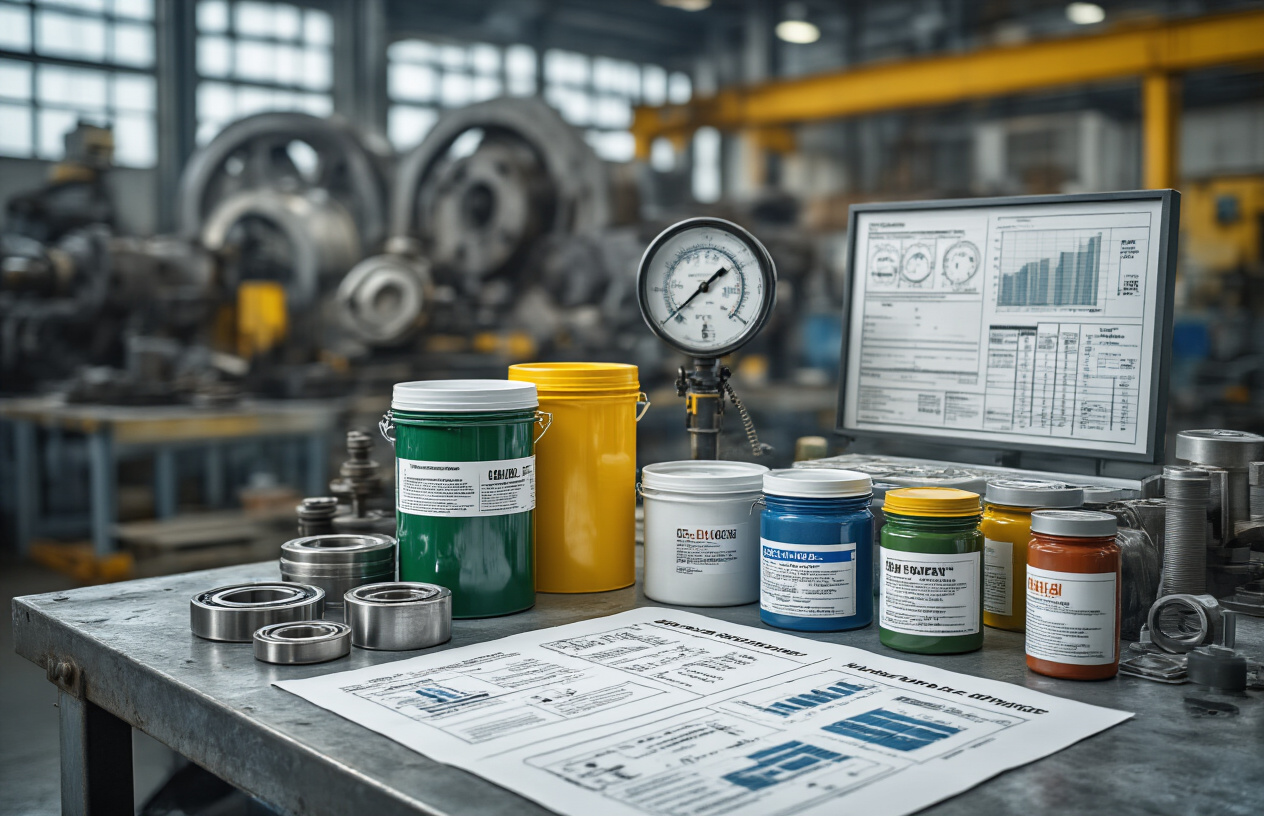
Industrial grease’s capacity to manage heavy loads and extreme pressures is what determines your machinerys efficiency and life span. Different tasks call for different levels of load, bearing capacities, for instance, simple bearings might need an EP0 grade grease, whereas heavy machinery would require EP2 or even higher grades. You should take into account the static and dynamic loads the equipment will be subjected to when thinking about pressure resistance.
Greases with higher extreme pressure (EP) additives are necessary for high, pressure use in hydraulic, mining, and steel mill machinery. These additives produce protective layers on metal surfaces that stop them from fusing and seizing up when subjected to very high pressures.
| Load Category | Typical Applications | Recommended EP Grade |
|---|---|---|
| Light Duty | Small motors, fans | EP0-EP1 |
| Medium Duty | Conveyors, pumps | EP1-EP2 |
| Heavy Duty | Mining equipment, crushers | EP2-EP3 |
Operating Temperature Range Compatibility
Temperature compatibility is the main factor that determines the effectiveness of greases in industrial settings. Greases that are capable of handling the temperature range and still performing their functions properly are the ones which are considered to be the best. However, the common greases in the market can only function well within the temperature range of, 20C to 120C. There are however specialized applications that operate beyond these limits. Such high temperature operations as kiln drives, oven bearings, and furnace equipment are examples where synthetic greases are used to retain their firmness at temperatures exceeding 200C.
Cold climate operations, on the other hand, present different challenges. At the time of start, up temperatures, there is a need for industrial grease to be pumpable and to flow the right way. The synthetic base oils like polyalphaolefin (PAO) or polyurea thickeners provide low temperature performance that is one step ahead of the conventional lithium, based greases.
Thermal cycling cannot be overlooked either. Often, equipment operating temperature changes quite frequently, such situations require greases with stable consistency over the entire operating range. Doing so will help keep the oil from separating and will also maintain the protective lubrication films that occur due to the expansion and contraction cycles that be a direct result of changes in temperature.
Water Resistance and Environmental Durability
Industrial settings not only lead to the exposure of industrial grease to various factors such as moisture, chemicals, and other contaminants that can deteriorate its lubricating properties but the water, resistant greases are capable of preventing washout of grease in wet conditions while at the same time retaining their protective properties. Marine industries, food processing, and machinery exposed to the elements outdoor are the ones that most require water resistance of a very high degree. Resistance to environmental factors means resistance to oxidation, corrosion, and chemical attack. UV rays, acid rain, and salt spray are just some of the factors that outdoor equipment is exposed to that cause the slow breakdown of regular greases.
Top, of, the, line products contain antioxidants and corrosion inhibitors that increase the longevity of the grease even in very challenging conditions. The ability of grease to keep away contaminants is one of the factors that differ a lot among the types of grease. Machinery running in dusty areas needs grease that does not easily attract particles that can cause abrasions. Systems that are completely closed could even be fed with the softer types, while totally exposed ones definitely need the firmer consistency types so as to also resist contamination ingress.
Compatibility with Existing Machinery Systems
Mixing incompatible greases will create serious problems in lubrication such as changes in consistency, precipitated additives and reduced performance. Lithium and calcium based greases generally don’t mix, whereas polyurea and aluminum complex greases have limited compatibility with the conventional types.
Before you decide to change grease brands or types, it is advisable to confirm their compatibility by small, scale testing or referring to the manufacturer’s guidelines. It is likely that the entire system will need to be flushed when grease types are changed, thereby adding cleaning costs as well as downtime considerations to your selection process.
You should also take seal compatibility into account. For instance, some synthetic greases may cause rubber seals either to swell or shrink, hence resulting in leakage problems. Nitrile seals are compatible with mineral oil based greases, whereas fluorocarbon seals are better at handling synthetic formulations.
Maintenance Interval Optimization
Grease choice influences how often you have to relubricate and the total cost of maintenance besides just cutting labor and downtime. Of course, these premium, level products come at a higher price out of pocket. Assess all the expenses including the price of the grease, the labor involved in application, and the downtime of the equipment. Not infrequently, investing more in premium industrial grease ends up being cheaper as maintenance frequencies are lowered.
It can be worthwhile to spend more on premium products for critical pieces of equipment where the benefits of reliability and reduced downtime outweigh higher initial costs. Keep track of grease quality using a sampling and analysis schedule. Folding this information into adjusting relubrication schedules for different equipment and operating conditions is how you transition from time, based maintenance to condition, based maintenance, a method that yields maximum grease value without compromising the equipment.
Top Premium Industrial Grease Brands in India
Castrol Industrial Grease Solutions
Castrol is a worldwide leader in industrial lubricants, bringing with it the accumulated knowledge of many years of advanced engineering to the Indian manufacturing industry. Premium grease is a major part of their portfolio and they carry among other products the famous Spheerol range which are capable of meeting the demands of high, performance applications in the sectors of automotive steel cement, and heavy machinery.
The Castrol Spheerol AP series have outstanding features of water resistance and mechanical stability, which is why it is the best choice for applications frequently being in contact with water and also exposed to high pressures. Their lithium complex greases feature a very steady consistency even when temperature varies from, 30C to 150C, which means that they will work well in India’s very varied climatic conditions.
Castrol’s Molub, Alloy series is designed for very hard conditions when the protection of the equipment against wear and tear due to extremely high pressure must be ensured. Besides the properties to bear heavy loads, these greases by virtue of their advanced additive technology protect the equipments at the same time resulting in 40% extension of life as compared with the conventional counterparts. The brand really stands for quality as their testing standards are a step above what the industry requires.
Key Products:
-
Spheerol SXG: Multi-purpose lithium grease
-
Molub-Alloy 777-2: High-temperature bearing grease
-
Tribol GR: Synthetic grease for extreme conditions
Shell Gadus Premium Grade Options
Shell Gadus is a comprehensive industrial grease line among the best in the market, covering everything from basic maintenance to highly specialized processes. Consistent quality over many years and technical innovations are two factors that support the brand’s great reputation. Mechanical stability and resistance to oxidation are features where the Gadus S2 V line indeed excels, so greases made from these are suitable for working with equipment exposed to harsh environments. The innovative additive that Shell uses in these greases is well, known for its excellent performance in corrosion protection a vital factor for industrial plants in coastal areas, which suffer from salt air exposure.
Shell Gadus S5 synthetic greases are able to operate at high temperatures, even as high as 200C, without breaking down structurally. These top, level products contribute to reducing relubrication intervals by 50, 70%, which in turn results in a significant reduction in maintenance costs for large, scale operations. Shell Gadus being the technical support team present in India doing proper grease selection and giving application requirement guidance. Their collaboration with local distributors also helps to make the product available even at very remote industrial locations.
Performance Features:
-
Extended drain intervals reducing maintenance costs
-
Superior water washout resistance
-
Excellent pumpability at low temperatures
-
Enhanced bearing protection under shock loads
Mobil Industrial Lubricants Portfolio
Mobil’s range of industrial grease solutions perfectly combines the most state, of, the, art synthetic technology with successful performance in demanding applications. The company’s dedication to innovation has led to the production of greases which surpass conventional products in virtually every measurable parameter. MobilgreaseXHP
greases are highly regarded for their capability to operate under high, temperature conditions, where they can maintain their performance integrity at temperatures higher than 180C. They feature advanced synthetic base oils and lithium complex thickeners, which together resist thermal degradation, thus eliminating equipment failure and downtime in high temperature environments such as steel mills and glass manufacturing plants. TheMobilith SHC
series is a clear example of top, notch synthetic grease technology. These items provide superior low, temperature flow capability while still offering high, temperature stability. In terms of cost, effectiveness, these synthetic formulations can last 2, 3 times longer than mineral oil, based equivalents, even though they have higher initial prices. Mobil’s technical certification programs enable industrial clients to make an informed decision on grease selection by taking account of the actual operating conditions.Their lubrication engineers also provide on, site checks and advice, which is a great way to help you get the most out of your equipment in terms of both protection and performance.
Application Benefits:
-
Reduced equipment downtime through extended service intervals
-
Lower operating temperatures improving energy efficiency
-
Enhanced protection against wear and corrosion
-
Improved equipment reliability in critical applications
Indian Oil Corporation Servo Range
Indian Oil Corporation’s Servo brand stands for home, grown industrial lubricants of world, class quality. It merges the benefits of local production with international standards for quality. The Servo range of industrial grease is consumption, specific for Indian industries giving it advantage in their price positioning.
Servo Gemini multi, purpose greases are trusted to perform well in a wide variety of applications ranging from motor vehicle servicing to operation of general industrial machinery. Produced based on lithium chemistry, these industrial grease combine very good mechanical stability and water resistance. They are priced to be significantly lower than imports thus making them highly appealing to the cost, conscious operations.
The Servo System collection is a solution to particular industrial sectors through the use of specially formulated products. Their high temperature greases can operate effectively in steel plants and cement factories while food grade greases that meet NSF international certification requirements are available for food processing industries.
IOCL’s wide, ranging distribution channels guarantee product availability and timely delivery all over India including the remotest industrial cluster besides big cities. Domestic manufacturing capabilities have not only facilitated faster fulfillment of market demands but also enabled development of custom formulation for large industrial customers.
Competitive Advantages:
-
Cost-effective solutions without compromising quality
-
Widespread availability through extensive dealer network
-
Local technical support in regional languages
-
Customization options for large volume users
-
Quick delivery times due to domestic manufacturing
Best Value-for-Money Industrial Grease Options
Bharat Petroleum MAK Lubricants
MAK Lubricants by Bharat Petroleum is a proficient brand that industries consider as the first choice for affordable and efficient solutions. The lithium, based multi, purpose grease from MAK is capable of producing reliable output at different temperature levels thus making it suitable for most industrial usages. Besides offering superb water resistance and mechanical stability, MAK provides the products at significantly lower prices.
Among the attributes are outstanding pumping ability even under extremely cold conditions and longer service periods that lead to the lowering of maintenance expenses. MAK lubricants are also quite suitable for work in motor vehicles, heavy equipment, and a wide range of industrial tools. The brand’s extensive network of dealers all over India guarantees product availability and technical assistance promptly.
Hindustan Petroleum HP Grease Series
HP Grease Series delivers detailed coverage of a variety of industrial needs with economical prices. Their list of products covers high, temperature areas, tough, duty formulations, and industry, specific types. The calcium, base and lithium, complex versions provide flexibility for different working conditions.
HP Grease is different from others because of its reliable quality management and compliance with world standards along with keeping prices competitive. There are choices in the series for food, grade use, marine surroundings, and very high, pressure situations. Their technical literature and application guidance assist users in finding the right product for their exact needs.
At Lubetradeways, we are proud to be an authorized distributor of the HP Grease Series, ensuring access to authentic, premium-quality lubricants tailored for Indian industries. Based in Chandigarh, our team offers expert consultation, seamless procurement, and nationwide delivery to keep your operations running smoothly. Whether you’re dealing with extreme temperatures or demanding loads, trust Lubetradeways for reliable supply, competitive rates, and dedicated support to optimize your lubrication strategy. Contact us today to explore the full HP range and find the perfect industrial grease for your applications.
Gulf Oil Industrial Applications
Gulf Oil’s industrial grease portfolio is a mix of global know, how and local manufacturing skills. Their products are capable of supporting tough Indian operating conditions and at the same time, they are quite cost, effective if compared to the imported ones of high quality. The main emphasis of the brand is on improving the life of the equipment and cutting down the total operating cost.
Their all rounder greases are capable of adapting to changes in temperatures and at the same time, they will keep you safe from wear and rust. Gulf’s supply chain is so efficient that you get their products all over the major industrial centers. The company’s orientation towards sustainable manufacturing practices is liked by the businesses which are environmentally conscious.
Tide Water Oil Company Products
Tide Water Oil (TWO) Tide Water Oil (TWO) draws on its vast lubrication know, how over the years to offer products in the value segment that are tailored to the Indian industrial environment. Their greases are made to combat the most frequent problems faced by industries, very hot surroundings, getting infested by dust and getting wet. Moreover, the company is open to making industrial grease solutions for the requirements of a particular factory.
TWO’s edge over competitors is the deep knowledge of local conditions in their products and how to make the most of them. Besides just supplying products, their technical support team regularly visits customers and offers advice on proper usage. While the quality of the brand remains unchanged, the prices are affordable also for small and medium enterprises.
Local Manufacturer Alternatives
Regional manufacturers provide a very good option for buyers who are price sensitive but still want a medium level of performance. For instance Bharat Lubricants, Indian Oil Servo and some state level manufacturing companies produce local, oriented products. It is found that these alternatives may provide 70, 80% performance in comparison to premium brands at very low prices.
Local manufacturers are very good at customizing their products as well as being able to produce unique formulations for very specific applications. Besides this, they generally have shorter turnaround times for providing technical support and product changes. A lot of them have put up state, of, the, art manufacturing plants and quality control systems that have largely reduced the existing cost, performance differences.
Besides checking the certifications and going through the performance records, it is best to test the local alternatives on a small scale before making a big commitment. There are many local brands that provide great value for money in non, essential uses or when financial constraints have to be considered.
Specialized Grease Categories for Specific Industries
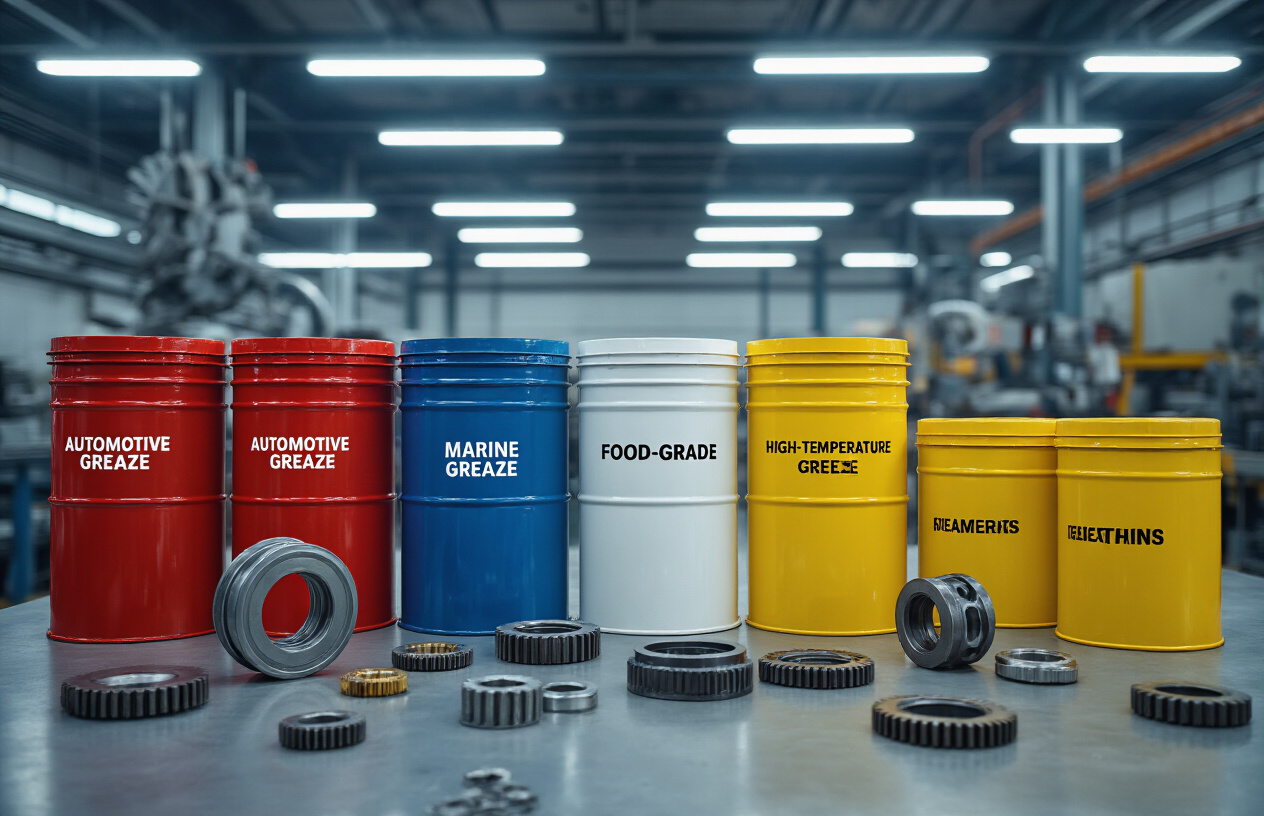
High-Temperature Automotive Applications
Greases used in racing engines, turbochargers, and heavy, duty commercial vehicles must endure high temperatures without losing their qualities or breaking down.
Usually, specialized automotive greases used in these applications can operate within the temperature range of, 40C to 200C while some top, notch formulations can even go beyond 250C.
Among automotive greases, molybdenum disulfide and polyurea are widely used, being able to provide both excellent thermal stability and great anti, wear protection.
For instance, shell Retinax HDX2 and Castrol LMX are very well, known products and are specifically designed for wheel bearings, universal joints, and chassis components that get exposed to very high temperatures.
Major performance attributes of high, temperature automotive greases are:
Electric vehicle greases have to meet additional requirements as they must be safe to use in combination with high, voltage systems but at the same time, they have to feature very good thermal conductivity to allow effective cooling of batteries and motor bearings.
Food-Grade Industrial Lubricants
Food processing equipment needs NSF H1, certified greases that not only meet safety requirements but also ensure dependable lubrication effectiveness. Besides this, the greases should be generally safe for human contact, without any taste or smell so as not to pollute the food products.
At the core of the majority of food, grade formulations are white mineral oil and aluminum complex thickeners. Well, known brands such as Kluber Summit FG2 and Dow Molykote provide extensive selections that include everything from conveyor systems to packaging machinery.
| Application | Temperature Range | Key Requirements |
|---|---|---|
| Bakery ovens | -30°C to 200°C | High-temperature stability, low volatility |
| Dairy processing | -20°C to 120°C | Water resistance, pumpability |
| Beverage lines | -10°C to 80°C | Corrosion protection, seal compatibility |
| Meat processing | -25°C to 150°C | Washdown resistance, anti-microbial properties |
Regular cleaning cycles with caustic solutions and high-pressure water washing create harsh operating conditions. Food-grade greases must resist washout while maintaining their lubricating properties after repeated exposure to cleaning chemicals.
Marine and Offshore Equipment Solutions
Saltwater conditions bring about different kinds of corrosion issues that are out of the reach of regular greases. Marine, grade greases have added rusty prevention chemicals and water resisting base oils to keep the vital parts safe from the sea mist and moisture that gets in.
Calcium sulfonate complex and lithium complex greases with better water displacement capabilities are used in offshore drilling platforms, ship propulsion systems, and port handling equipment. These types of greases form a shield that both gets rid of the water and stops the harmful elements from causing corrosion.
Essential characteristics for marine applications include:
-
NLGI Grade 1-2 consistency for easy pumping through long grease lines
-
Extreme water washout resistance meeting ASTM D1264 standards
-
Salt spray corrosion protection exceeding 500 hours in testing
-
Wide operating temperature range from -20°C to 150°C
Deck winches, anchor systems, and cargo handling equipment benefit from penetrating greases that displace moisture from existing lubricants. Many marine operators prefer spray-applied greases for accessibility in tight spaces and overhead applications.
Mining and Construction Machinery Grease
Heavy earthmoving machinery is subjected to some of the toughest working conditions imaginable, dust dirt shock loads, and temperature extremes, that are combined with long service intervals. Therefore, the greases used for mining and construction must provide excellent protection and at the same time fight the contamination from abrasive particles. Parts like excavator swing bearings, bulldozer track systems, and crusher mechanisms need greases that have outstanding mechanical stability as well as adhesion retention.
If synthetics base oils are used together with bentone clay or polyurea thickeners, they will provide the resistance necessary for the relubrication intervals to be extended to 500, 1000 hours.
Specialized mining greases address specific challenges:
-
Underground coal mining – Anti-static properties and flame resistance
-
Open pit operations – UV stability and extreme temperature performance
-
Quarrying equipment – High load-carrying capacity and vibration resistance
-
Tunneling machinery – Water resistance and pumpability at low temperatures
Many construction fleets have adopted centralized lubrication systems that automatically distribute grease to multiple points. These systems require greases with consistent flow properties and excellent channel stability to ensure uniform distribution across all lubrication points without blockages or pressure variations.
Performance Testing and Quality Standards Compliance

ISI certification requirements
ISI (Indian Standards Institute) certification acts as the fundamental basis for quality assurance in the Indian industrial grease industry. The Bureau of Indian Standards (BIS) sets forth a list of performance criteria that industrial grease must satisfy in order to be granted ISI marks. These requirements mainly address aspects such as the grease dropping point, penetration values, resistance to oxidation, and anti, corrosion properties.
Industrial grease in general are expected to retain their degree of softness in the range between NLGI Grade 1 and 3 as per ISI standards, with dropping points mostly over 180C for the applications made. The certification procedure includes a comprehensive evaluation of the base oil viscosity, the thickener’s amount, and the efficiency of additives. At the same time, manufacturers are required to display batch, to, batch uniformity and keep meticulous records of quality control.
The ISI mark is a symbol of trust in the product reliability, which not only gives assurance to the end, users but also enables the manufacturers to give a step forward in securing government and public sector contracts. In fact, numerous industrial setups impose in their procurement policies the use of ISI certified products, thus rendering this certification indispensable for market entry.
International quality benchmarks
International quality standards such as ASTM, DIN, and JIS serve as detailed guidelines for assessing industrial grease performance. For instance, ASTM D217 defines a test for measuring the penetration of lubricating grease while ASTM D2265 looks at their dropping point properties. Adhering to such criteria helps Indian suppliers to gain access to international markets and offer their clients products that are of global quality.
European DIN standards place a very high importance on the environmental fit of materials as well as on the biodegradability aspects of them, mirroring the ever, increasing importance of sustainability. On the other hand, Japanese JIS standards target accuracy and uniformity, which is of particular significance to the automotive and electronic industries.
Major Indian manufacturers of industrial grease are currently adopting their products with multiple international standards at the same time, thus coming up with multipurpose formulations that can satisfy different market needs. This multi, standard strategy not only facilitates the entry into a wider range of markets but also boosts the level of trust among the consumers.
| Standard | Primary Focus | Key Tests |
|---|---|---|
| ASTM | General Performance | D217, D2265, D4049 |
| DIN | Environmental Impact | 51502, 51825 |
| JIS | Precision Applications | K2220, K2227 |
Laboratory testing protocols
Thorough laboratory analysis will provide a stable industrial grease quality and a reliable prediction of performance under a range of conditions. The main test methods are: Contemporary test centers rely on pneumatically controlled devices for penetration determination so that results can be repeated within 2 NLGI units. Temperature cycling tests are designed to represent the thermal stress encountered by the product in actual use. Among other tests, water washout resistance is done to assess product performance in a moisture, rich environment. Oil separation tests are performed to assess the characteristics of bleeding under both static and dynamic conditions.
Climate, controlled rooms and calibrated measuring instruments, traceable to national standards, are some of the features of quality assurance labs. A sample storage period for a minimum of 24 months is obligatory to keep the chain, of, custody in case of warranty and performance inquiries. Highly, detailed testing comprises of rheological analysis, which is accomplished by using cone and plate viscometers. This equipment has allowed a greater insight into grease behavior under different shear rates and temperatures
This info is very valuable in the optimization of high, speed bearing lubricants.
Field performance validation methods
Real, world performance validation closes the gap between the laboratory results and real, world operating conditions. Systematic field tests consist of putting the grease samples into the hands of the same equipment, working under similar parameters, and using performance monitoring through vibration analysis, temperature measurement, and planned inspections.
Bearing life tests help provide trustworthy data on the life of the grease under certain load and speed conditions. They usually run for 1, 1.5 years, gathering data related to the periods of relubrication, equipment stoppage, and maintenance costs. Statistical analysis members a performance trend and maintenance schedule optimization.
Customer feedback programs collect the user experiences systematically from various industries and different types of applications. Thanks to this feedback loop, there are continuous product improvements, and helping the manufacturers in understanding the potential real, world challenges that may be overlooked by the lab testing.
Performance monitoring is carried out by routine grease sampling from the used equipment, followed by analyzing contamination levels, oxidation products, and the remaining additive concentrations. It is with the help of this information that optimal relubrication intervals are decided, and equipment problems can be recognized before a major failure occurs.
Digital monitoring systems keep track of equipment performance in real time by correlating industrial grease condition with operational parameters such as temperature, vibration, and load changes. This method allows maintenance prediction and maximizes equipment availability while minimizing grease usage.
Purchasing Guidelines and Cost Optimization Strategies

Bulk purchasing benefits and supplier negotiations
Industrial plants could reduce their industrial grease expenditure by 20, 40% via making smart strategic bulk purchasing decisions. Usually, placing large, volume orders is a key to tiered pricing mechanisms, whereby procurement of 500kg or greater most often signals the initial discount tier. As a matter of fact, many suppliers provide extra perks like free delivery, extended payment periods, and free technical training for bulk buyers.
In your supplier negotiations, don’t just look at the unit price; evaluate the total cost of ownership instead. Ask for the in, depth breakdowns of product price transportation handling charges, and any other services. By signing multi, year agreements, you could get better price fixings that will shelter you from the fluctuations of raw material prices that have an impact on the petroleum products.
You may want to think of joining hands with other facilities in your industrial park or region for purchasing consortiums. The buying power by the group can get access to wholesale price levels which are usually kept for the major distributors. Make sure that all agreed terms, including the quality specifications, delivery timeframes, and performance guarantees are properly recorded.
Often, local suppliers are able to offer more competitive prices than the major brands for products with the same performance. Look into local companies that comply with international quality standards as they can frequently give 15, 25% price savings while at the same time delivering better customer service and quicker response times.
Storage and handling best practices
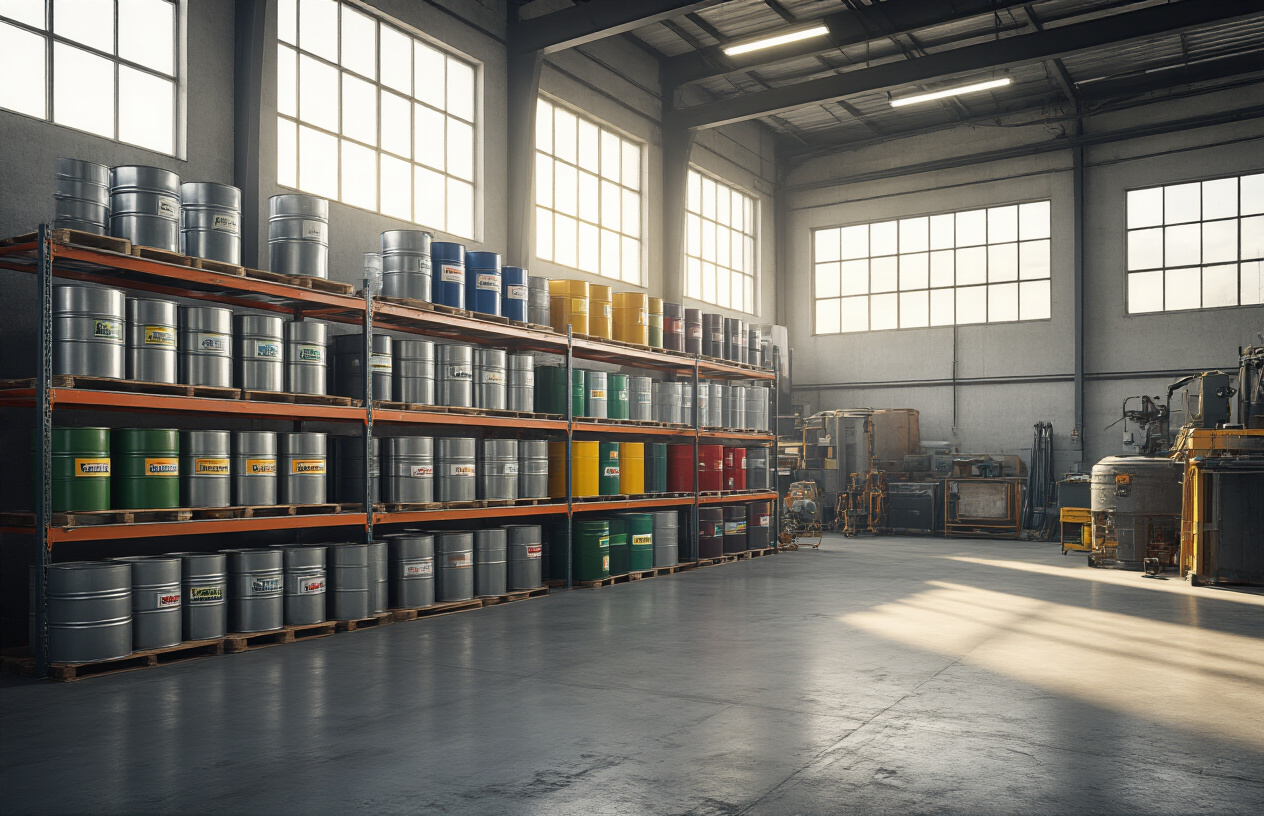
Proper storage is one of the main factors that determines the performance of a grease and helps in prolonging its lifespan. To avoid consistency changes and oil separation, it is advisable to keep the storage temperature between 5C and 40C. Fluctuations in temperature may lead to industrial grease bleeding, i.e. separation of base oil from thickener, which in turn deteriorates lubricant properties.
One should not put the storage containers directly on the floor but rather on pallets or raised platforms in order to avoid moisture absorption from the ground. The practice of rotating stock by first using the oldest items should be followed. Marking the arrival dates and batch numbers in a very visible manner is a must. It is very important to keep accurate records of storage conditions and ensure that humidity levels stay under 60% in order to avoid metal container corrosion.
To prevent contamination, it is necessary to use separate sets of tools for each type of industrial grease. Whenever there is mixing of incompatible grease formulations, chemical reactions may occur resulting in the failure of the bearings at an early stage. Different colors for pumps and dispensing tools should be used to completely avoid the risk of any mixing.
In order to prevent container handling which leads to container damage stress, it is advisable to keep ergonomically the most frequently used products at arm’s reach. Broken packaging can be a source of moisture and dirt ingress, which deteriorates the quality of the industrial grease. It is a good practice to inspect containers for dents, rust, or broken seals on a regular basis.
Shelf life considerations and inventory management
Most industrial grease maintain optimal performance for 24-60 months under proper storage conditions. Lithium complex greases typically last 3-5 years, while polyurea formulations can extend to 5-7 years. However, extreme service greases containing specialized additives may have shorter shelf lives of 18-36 months.
Implement inventory management systems that track purchase dates, lot numbers, and remaining shelf life. Set automatic reorder points at 6-12 months before expiration dates to ensure fresh stock availability. This approach prevents emergency purchases at premium prices while avoiding waste from expired products.
Regular sampling and testing can extend usable life beyond manufacturer recommendations. Many facilities successfully use greases 1-2 years past expiration dates when laboratory analysis confirms acceptable performance characteristics. Key parameters include consistency, dropping point, and additive levels.
Monitor market demand patterns to optimize inventory levels. Seasonal maintenance schedules often create predictable consumption spikes – plan purchases accordingly to balance storage costs with availability requirements.
Technical support and after-sales service evaluation
Strong technical support is the main factor affecting total cost ownership in cases like introducing new industrial grease or resolving performance problems. Look at suppliers’ field engineering skills, lab testing services, and their turnaround time for technical questions to make a decision.
Reliable suppliers can perform detailed lubrication audits by examining your operating conditions and suggesting the best products. Usually, these evaluations reveal ways to cut costs by consolidating greases, i.e. decreasing the number of different products without sacrificing performance.
Post, sales support involves holding training sessions for the maintenance team on correct application methods, compatibility, and troubleshooting techniques. Companies that provide certified training sessions are contributing to reduction in errors during application which might result in equipment failure and warranty claims.
Set up direct communications with your technical contacts, including an emergency call procedure for a critical situation. Make sure all technical recommendations and performance guarantees are made through written communication. With suppliers, you can hold regular supplier performance reviews to both identify improvement opportunities and ensure continued value delivery.
Ask for comprehensive product data sheets, safety notices, and application directives. Those suppliers that deliver full technical details show their dedication towards assisting customers and supporting regulatory requirements.
The suitable industrial grease could be what makes or breaks the performance of your machinery and its longevity. First, you have your different applications and then you have quality standards and everything else that has to do with finding the best grease product for your specific requirements. This involves thermal resistance, capacity to bear heavy loads, and the compliance with industry standards among others. The leading brands in India offer the whole range of high, end durable products that deliver excellent performance, as well as affordable products that are of standard quality.
Effective purchasing decisions are made when you manage to balance your operational needs with your financial limits. You should take your time to find out what your machine actually needs, make use of performance data for comparison purposes, and interact with reliable suppliers who are better placed to give you what you want and understand your industry as well. If you get the right grease and use it correctly, you can expect to have increased equipment durability, less frequent maintenance, and improved productivity at the very least.